by Bharat Satsangi | Aug 4, 2026 | AI & Self-Hosting
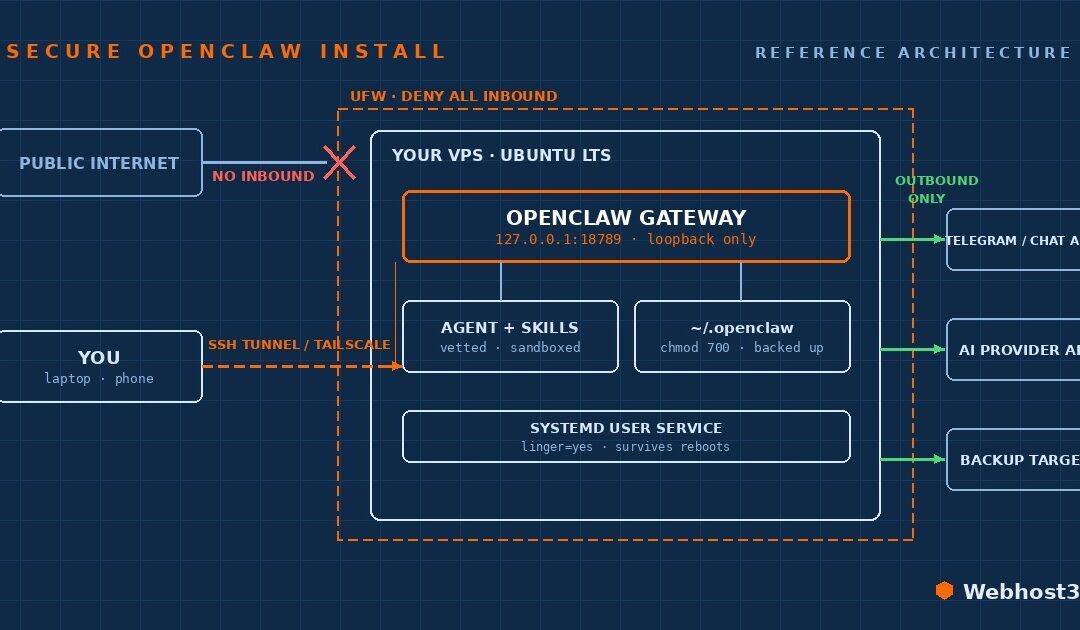
Installing OpenClaw on a VPS securely takes about thirty minutes: harden the server first — SSH keys only, a firewall allowing nothing but SSH, a dedicated non-root user — then run the installer and keep the gateway and dashboard private rather than exposed to the...

by Webhost365 Engineering Team | Aug 4, 2026 | AI & Self-Hosting
There are only a handful of ways to run OpenClaw for free around the clock: Oracle Cloud’s Always Free tier (powerful but demanding), a managed free plan like Webhost365’s free OpenClaw hosting, and a short list of credit-based platforms that are trials...

by Bharat Satsangi | Jun 17, 2026 | Artificial Intelligence, Developer Guides
GitHub works, until it doesn’t. The free tier is generous and the platform is woven into every developer’s muscle memory, so most of us never question it. Then the questions start arriving anyway: per-seat pricing that creeps up as your team grows,...
by Webhost365 Engineering Team | Jun 17, 2026 | Hosting Explained, WordPress
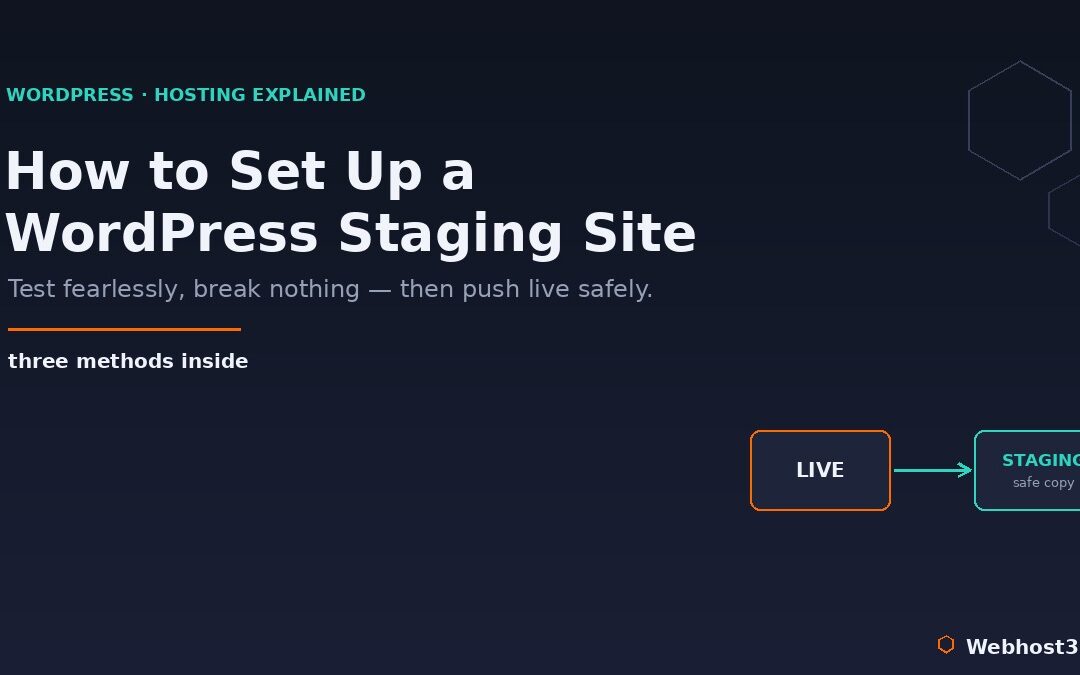
Every WordPress owner knows the small jolt of fear that comes with clicking “update” on a live site. A plugin update, a theme change, a new piece of code — any of them can break something, and when the site is live, that break happens in front of your...
by Webhost365 Engineering Team | Jun 16, 2026 | Hosting Explained
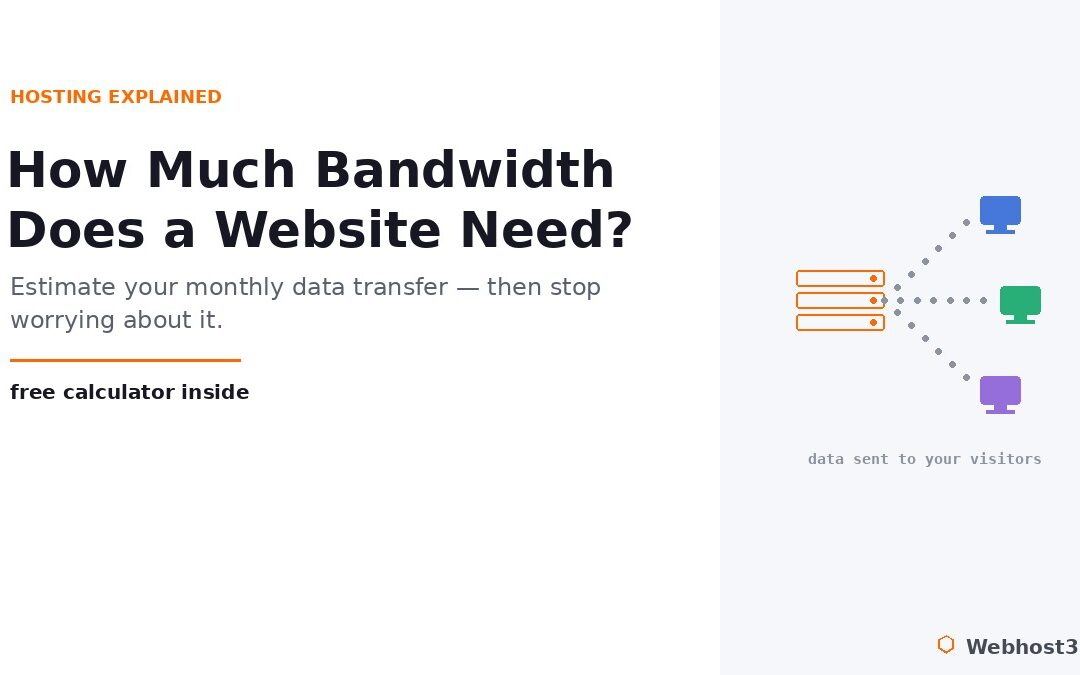
“How much bandwidth does a website need?” is a question that sounds like it should come with a big, intimidating number attached. Hosting plans advertise “unlimited” and “unmetered” transfer as if bandwidth were a wall you are about...

by Webhost365 Engineering Team | Jun 16, 2026 | Hosting Explained
An online store is the most demanding thing most people will ever put on a web server. It takes money, so it has to be secure. It holds customer data, so it carries real responsibility. And it makes its money in concentrated bursts — a sale, a campaign, a holiday rush...
by Webhost365 Engineering Team | Jun 15, 2026 | Hosting Explained
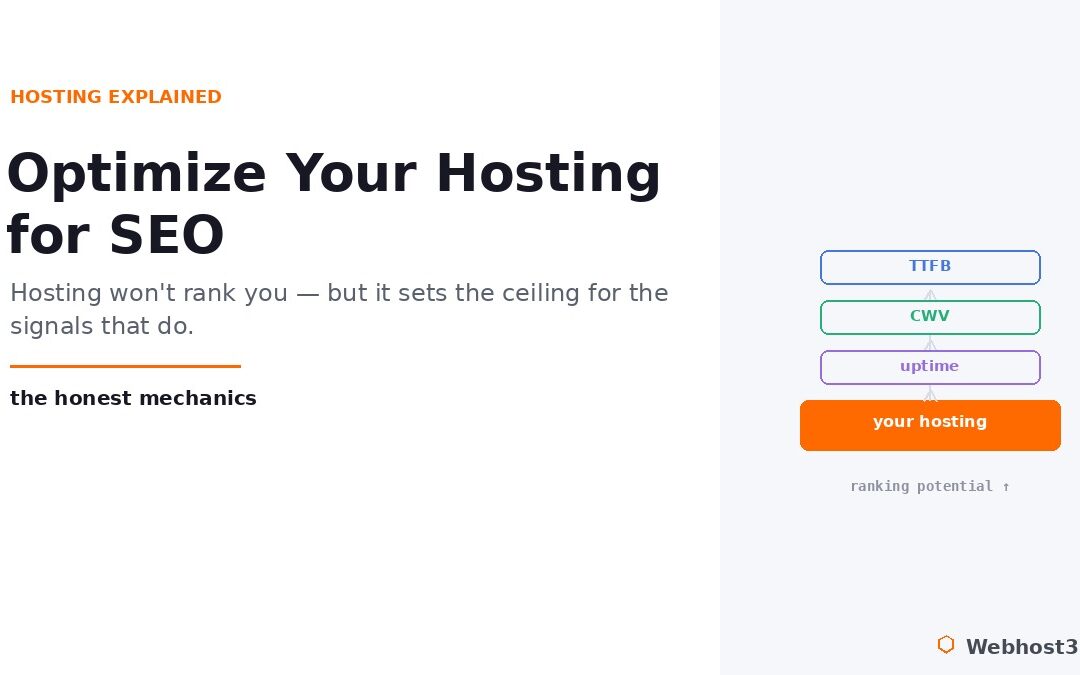
When people think about SEO, they think about keywords, content, and backlinks — the visible work. Almost nobody thinks about the server underneath it all, and that blind spot quietly costs rankings. Your web hosting will not rank your site on its own; no search...
by Webhost365 Engineering Team | Jun 15, 2026 | Hosting Explained
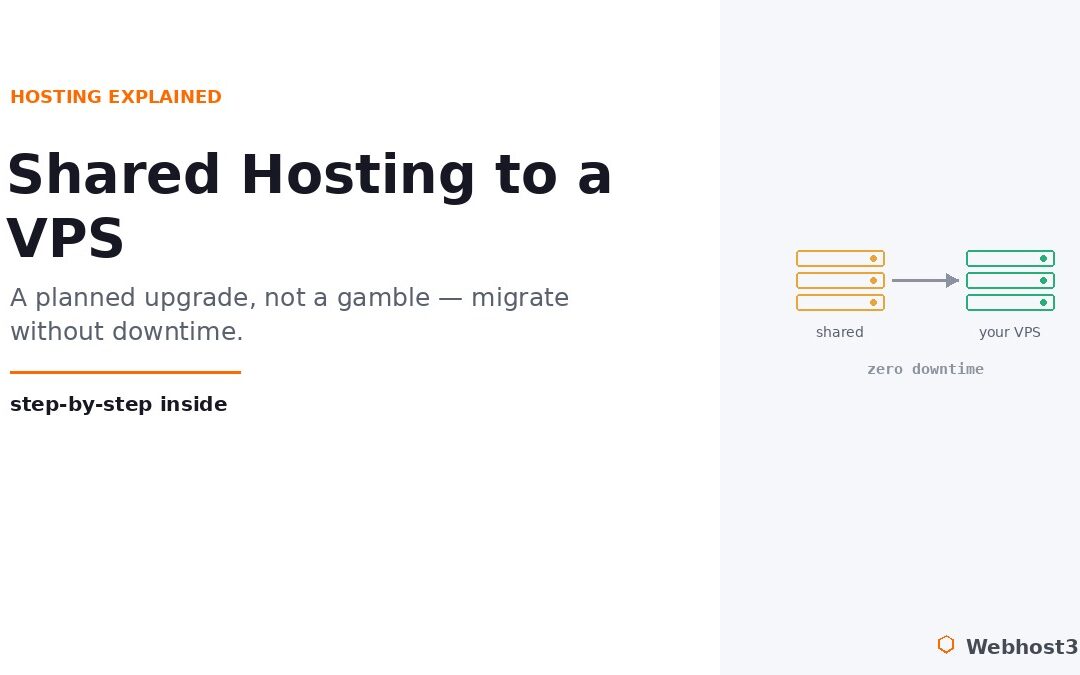
Migrating a live website terrifies people, and the fear is always the same: hours of downtime, a half-copied database, email that silently stops working, and visitors greeted by an error page during the one window you cannot afford it. That fear is what keeps sites...
by Webhost365 Engineering Team | Jun 15, 2026 | Developer Guides
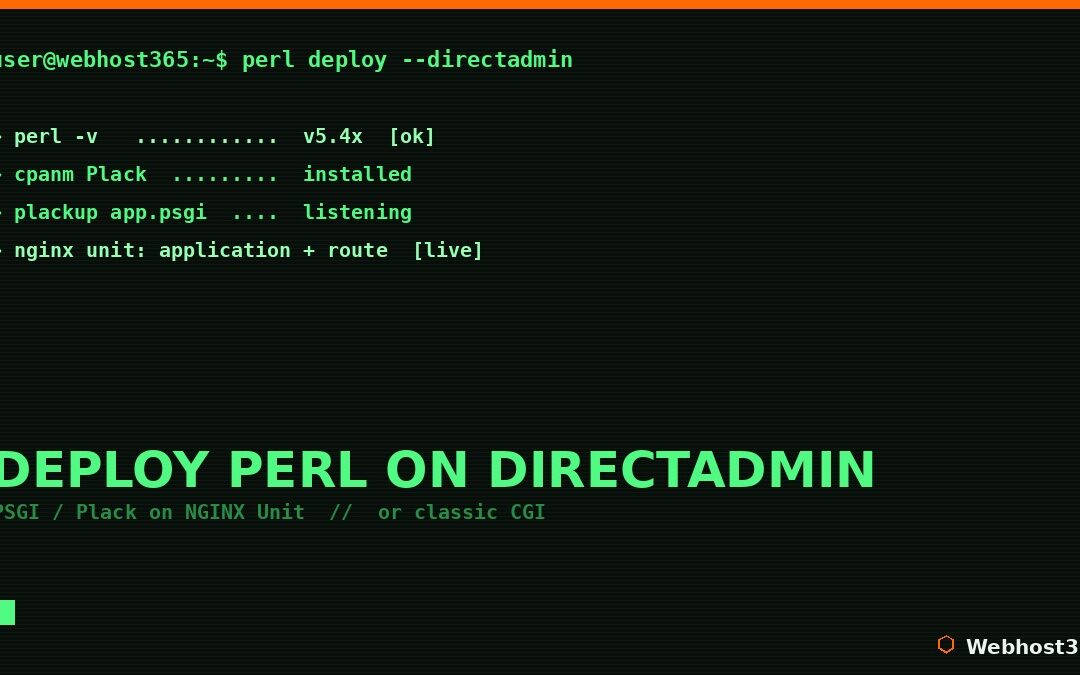
Perl has a reputation as a language of the past, and the reputation is wrong. It quietly runs an enormous amount of the web’s plumbing — build systems, sysadmin tooling, bioinformatics pipelines, and plenty of production web applications that have worked...
by Webhost365 Engineering Team | Jun 15, 2026 | Hosting Explained
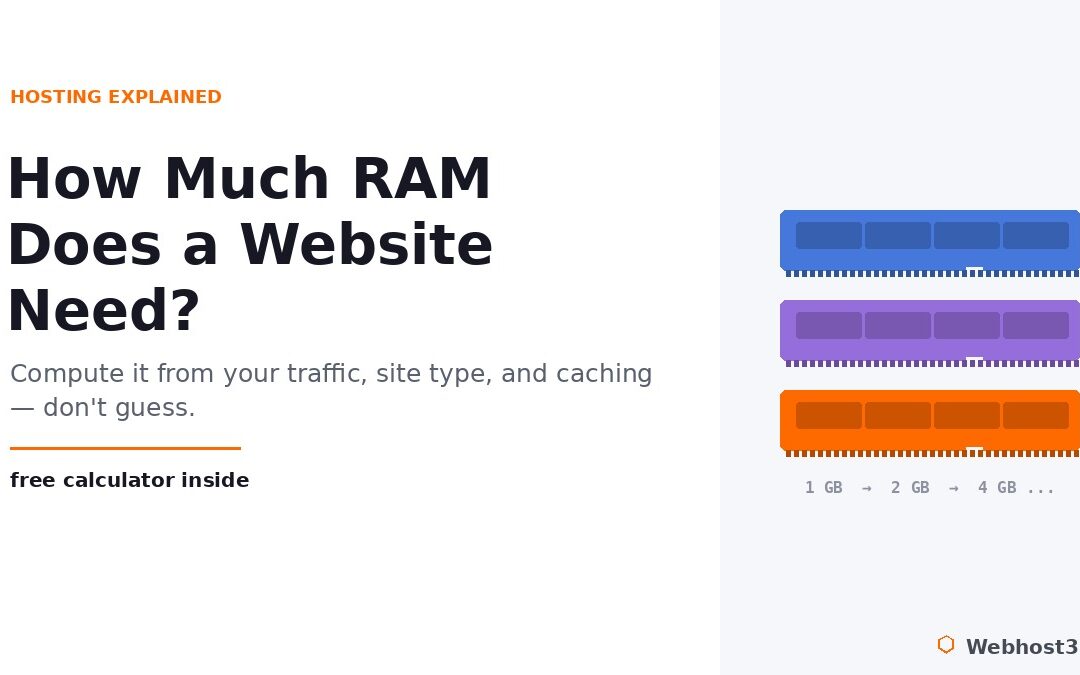
“How much RAM does a website need?” is one of the most common questions in hosting, and it has no single answer — because the honest reply depends on three things, not one. A quiet blog and a busy online store can pull the same monthly traffic and yet need...
by Webhost365 Engineering Team | Jun 14, 2026 | Hosting Explained, WordPress
“How much hosting does my WordPress site need?” sounds like it should have a clean answer, and almost every guide online gives you one: a tidy table that says 10,000 visitors needs 4GB of RAM, and so on. The problem is that the table is usually wrong,...
by Bharat Satsangi | Jun 14, 2026 | Artificial Intelligence, Developer Guides
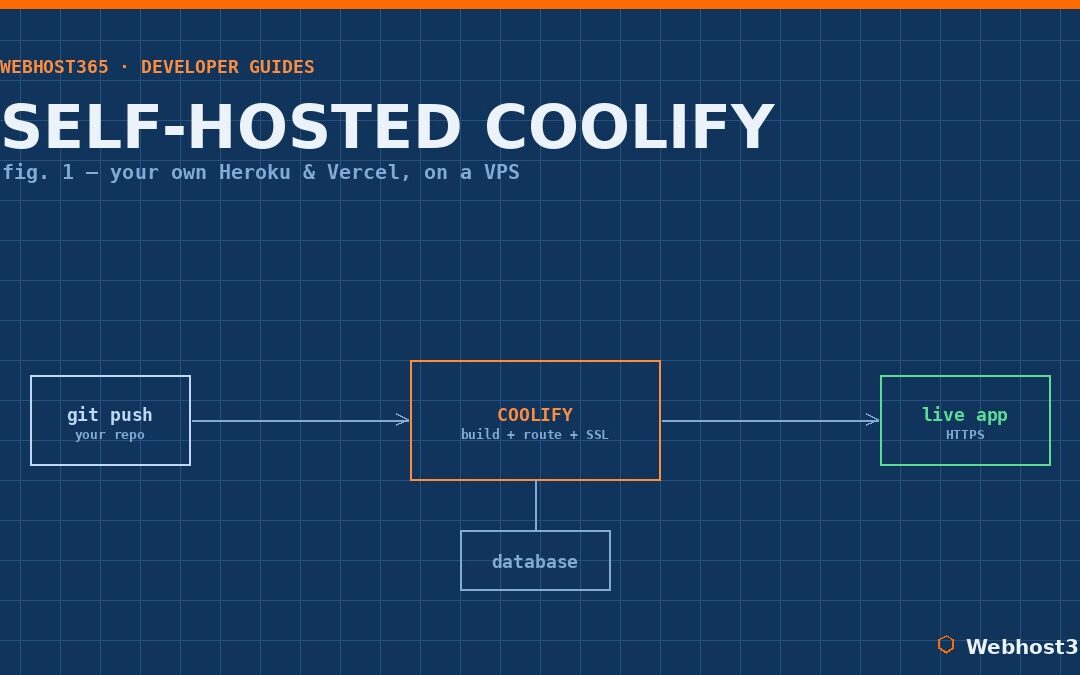
There was a time when deploying an app meant git push heroku main and walking away. Then Heroku killed its free tier, and the platforms that replaced it learned the same trick: Vercel, Railway, and the rest bill per seat and per usage, and the number on the invoice...