by Webhost365 Engineering Team | Sep 9, 2026 | Hosting Explained, Web Hosting
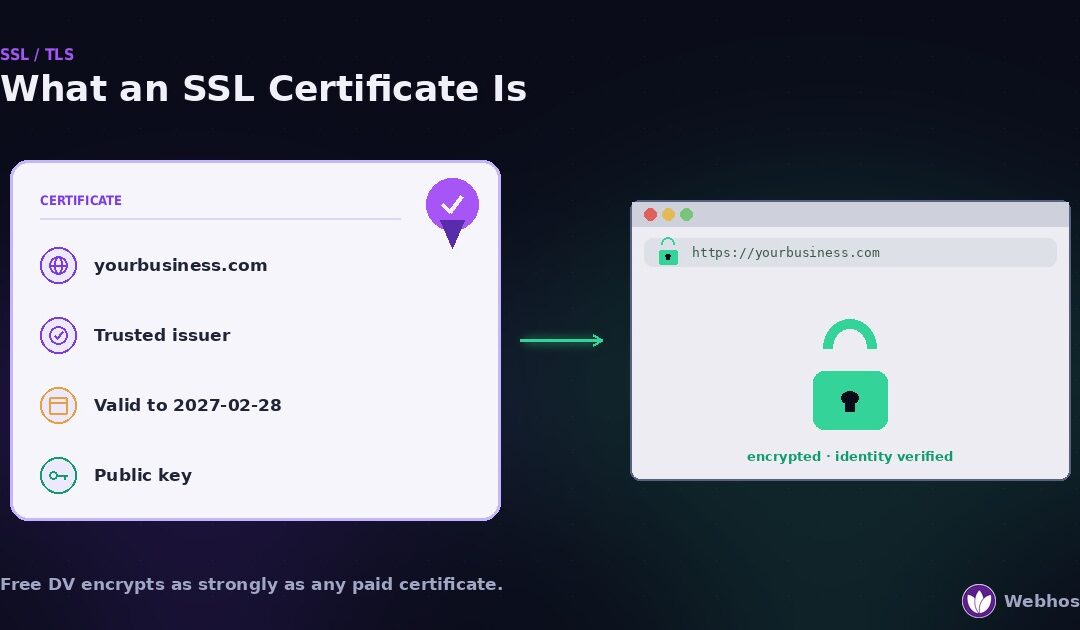
An SSL certificate is a small file that proves a website is who it claims to be and enables the encrypted HTTPS connection behind the padlock. Most sites need the basic domain-validated type, which is free and renews automatically. Paid certificates add identity...
by Webhost365 Engineering Team | Sep 8, 2026 | Hosting Explained, Web Hosting
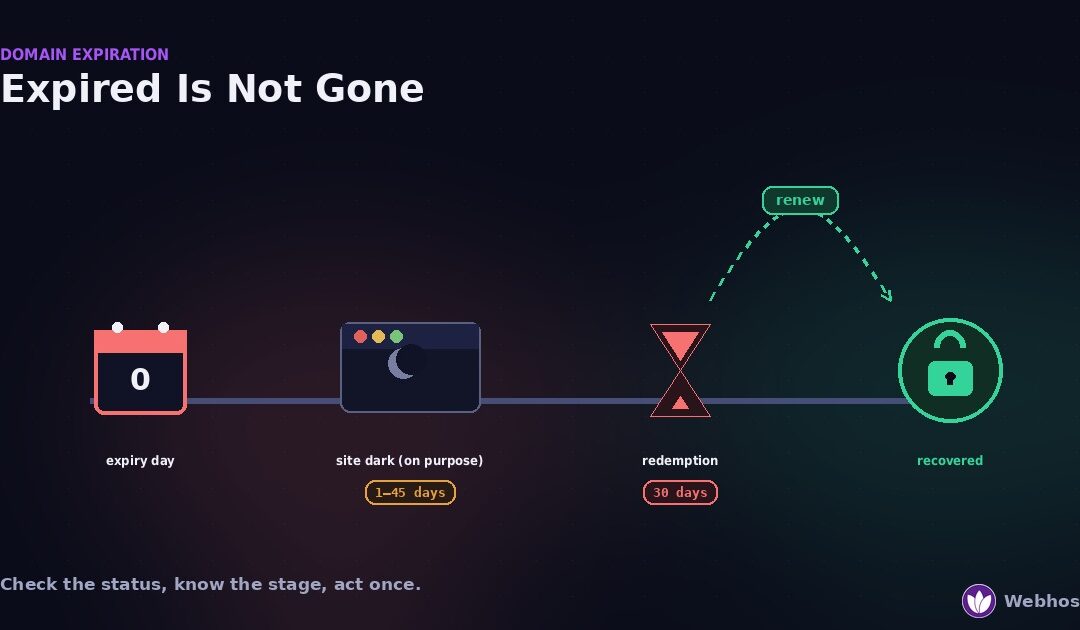
When a domain expires, the website and email stop working, but the name is not gone. Most domains pass through a renewal grace period, then a 30-day redemption period, before anyone else can register them. Renew during the grace period at the normal price. Redeem...
by Webhost365 Engineering Team | Sep 7, 2026 | Hosting Explained, Web Hosting
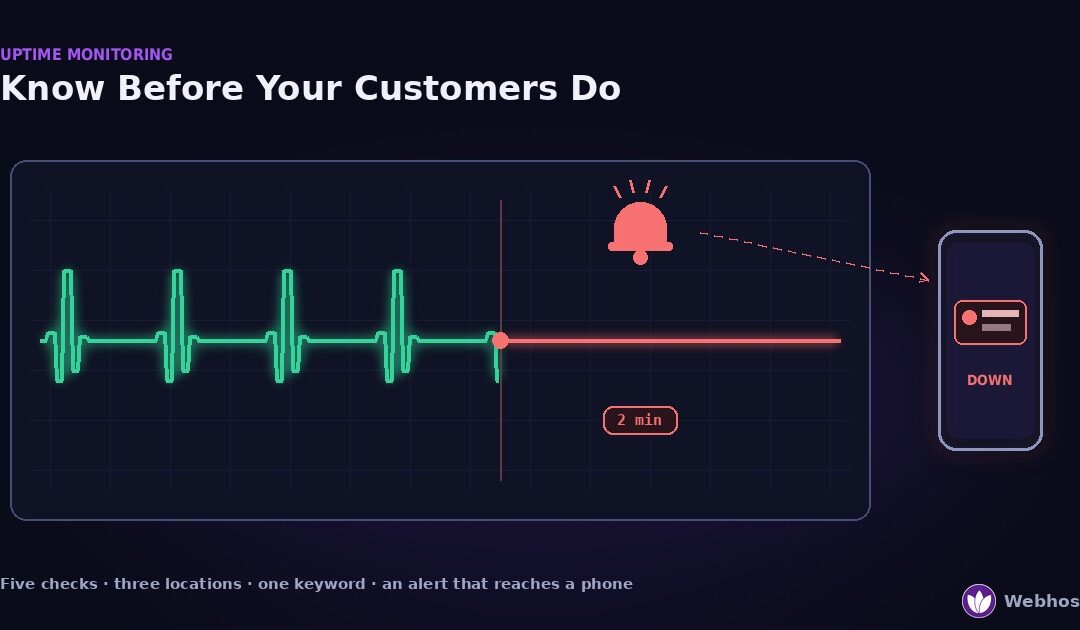
Website uptime monitoring is a service that loads your site from outside on a schedule and alerts you the moment it fails. Done well, it tells you the site is down minutes before a customer does. Done naively — one check, one location, email only — it misses real...
by Webhost365 Engineering Team | Sep 7, 2026 | Hosting Explained, WordPress
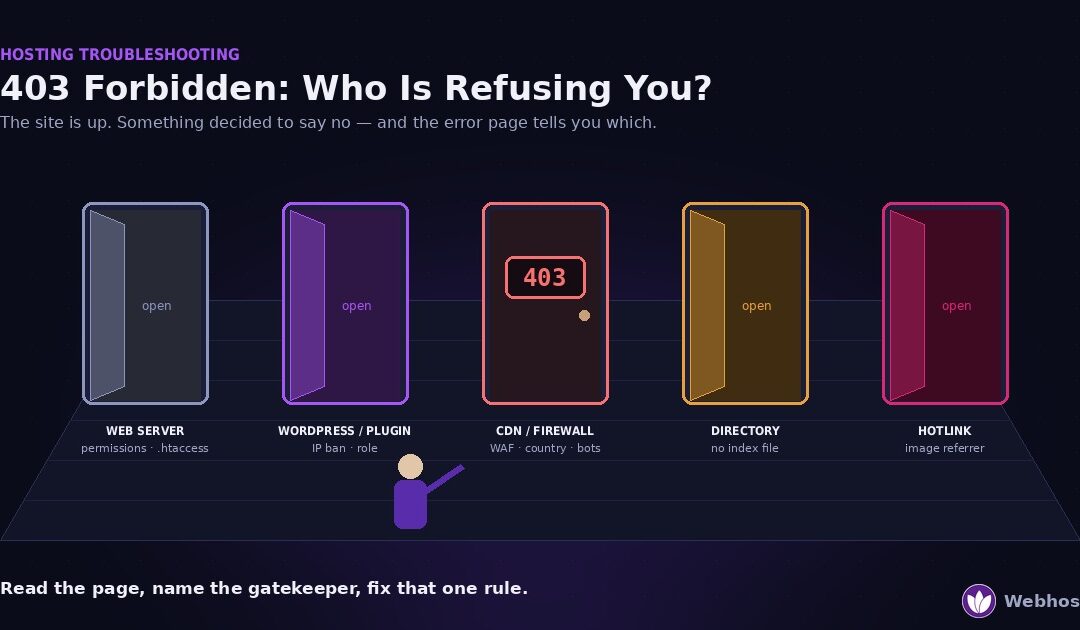
A 403 Forbidden means the server understood your request and refused it on purpose. The site is up, so nothing has crashed. Something simply decided you may not see this page. Five things can make that decision — the web server, WordPress or a security plugin, a CDN...
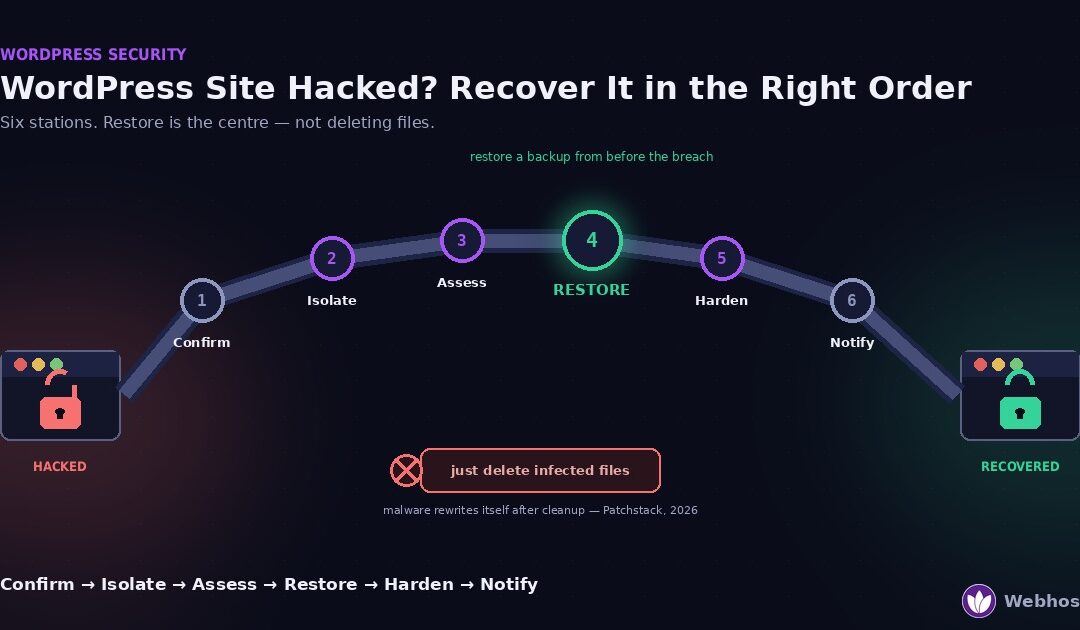
by Webhost365 Engineering Team | Sep 7, 2026 | Hosting Explained, WordPress
If your WordPress site was hacked, recover it in this order: confirm the hack is real, isolate the site and change every password, find how they got in, restore a backup from before the breach, harden the site, then clear Google’s warnings. Do not start by...